
IM & SubQ
Injectable Vitamins: Routes, Forms, Dosage, and Notes
This information is for research purposes only. ALWAYS consult with your healthcare provider.
Water-Soluble Vitamin Injections
Water-soluble vitamins aren’t stored long-term, so injections bypass absorption hurdles. Below is a breakdown of each vitamin’s injectable form, common routes of administration, dosing frequency, and key considerations.
| Vitamin | Injectable Forms | Route(s) | Typical Dosage & Frequency | Notes |
|---|---|---|---|---|
| B12 (Cobalamin) | Cyanocobalamin; Methylcobalamin | IM; SC | 1,000–2,000 µg IM or SC weekly–monthly | SC often preferred for self-administration |
| B6 (Pyridoxine) | Pyridoxine hydrochloride | IM | 25–50 mg IM daily–weekly | Monitor for neuropathy at high doses |
| B1 (Thiamin) | Thiamine hydrochloride | IM | 50–100 mg IM daily | Used in Wernicke’s encephalopathy protocols |
| B2 (Riboflavin) | Riboflavin sodium phosphate | IM | 5–20 mg IM daily | Rarely injected alone; often in B-complex blends |
| B3 (Niacin) | Niacinamide | IM | 100–250 mg IM weekly | Flush-free; monitor liver enzymes |
| B5 (Pantothenic) | Calcium pantothenate | IM | 50–100 mg IM weekly | Often part of multivitamin injections |
| B7 (Biotin) | D-Biotin | IM | 1–5 mg IM monthly | Low risk; supports skin, hair, nail health |
| B9 (Folate) | Folic acid; Folinic acid | IM; IV | 1 mg IM weekly or 0.4–1 mg IV daily | Folinic acid is preferred in methotrexate therapy |
| B-Complex | Combination of B1–B6, B9, B12 | IM; SC; IV | 1 mL–5 mL of standard mix IM weekly | Check compatibility if infusing IV |
| Vitamin C | Ascorbic acid; Magnesium ascorbate | IV; IM | 1–10 g IV 1–3× weekly; 250–500 mg IM weekly | High-dose IV used in therapeutic drips |
Fat-Soluble Vitamin Injections
Fat-soluble vitamins require a lipid carrier or oil base. Injections should be scheduled with meals, though IM is most common to ensure depot formation.
| Vitamin | Injectable Forms | Route(s) | Typical Dosage & Frequency | Notes |
|---|---|---|---|---|
| D3 (Cholecalciferol) | Oil-based D3 solution | IM; SC | 100,000–600,000 IU IM every 3–6 months | IM gives slow release; monitor serum calcium |
| A (Retinyl Palmitate) | Oil-based retinyl palmitate | IM | 50,000–200,000 IU IM monthly | Rarely used; risk of hypervitaminosis A |
| E (Tocopherol) | Vitamin E injection solution | IM | 200–400 IU IM weekly | Antioxidant support; monitor for coagulopathy |
| K1 (Phytonadione) | Aqueous phytonadione; mixed micelle | IM; IV; SC | 1–10 mg IM or IV once | Newborn prophylaxis; reversal of warfarin effects |
Administration Best Practices
- IM injections:
- Needle: 22–25 g, 1–1.5 inch for deltoid or gluteal sites
- Volume per site: ≤ 3 mL
- SC/SC injections:
- Needle: 25–30 g, ⅜–⅝ inch in abdomen or thigh
- Volume per site: ≤ 1 mL; rotate sites
- IV infusions:
- Use a compatible diluent (NS or D5W)
- Infuse over 15–60 minutes based on vitamin concentration
- Monitor for phlebitis and allergic reactions
Showing 1–12 of 31 resultsSorted by latest
-

Hycomin – Hydroxycobalamin B-12 Amps (5mg)
Price range: $10.00 through $85.00 Select options This product has multiple variants. The options may be chosen on the product page -

Jenasteron – Testosterone Enanthate — 250 mg
Price range: $21.00 through $180.00 Select options This product has multiple variants. The options may be chosen on the product page -
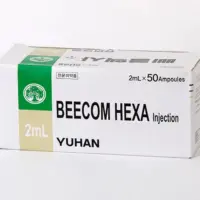
Beecom Hexa 2ml Amp
Price range: $15.00 through $50.00 Select options This product has multiple variants. The options may be chosen on the product page -

Laennec inj. Growth Factor 10 Ampoules
$130.00 Add to cart -
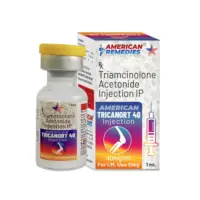
Tricanort Triamcinolone (Kenalog) Acetonide 40mg
$16.00 Add to cart -

Plagensia Placenta Extract inj. Stem Cell Extract 2mL
Price range: $32.00 through $260.00 Select options This product has multiple variants. The options may be chosen on the product page -

Rivovitage Riboflavin Phosphate Sodium Vitamin B2
Price range: $16.00 through $38.00 Select options This product has multiple variants. The options may be chosen on the product page -

Biotin – Vitamin H Amps (1mL)
$24.00 Add to cart -

Walcobal – Methylcobalamin B-12 Amps (1.5mg)
$22.00 Add to cart -

Dermagen – White Tomato Glutathione Transdermal Film 6X
$28.00 Add to cart -

Huons – Vitamin C Ascorbic Acid Amp (250mg)
Price range: $5.50 through $18.00 Select options This product has multiple variants. The options may be chosen on the product page -

Selenium – Selenious Acid 10mL
Price range: $12.00 through $90.00 Select options This product has multiple variants. The options may be chosen on the product page